When the network goes down, the community still has to work
When a flood, earthquake or storm hits, the first thing to fail is usually the thing we rely on most: communication. Cell towers lose power, internet links drop, and neighbours who want to help can’t tell who needs it.
In those first hours, before outside help arrives, communities look after themselves. They check on the elderly couple down the road, find out which road is flooded, work out who has a generator, a chainsaw or first aid training. The problem is that they have to do it blind.
That’s the gap Connectivv exists to close.
What we’re building
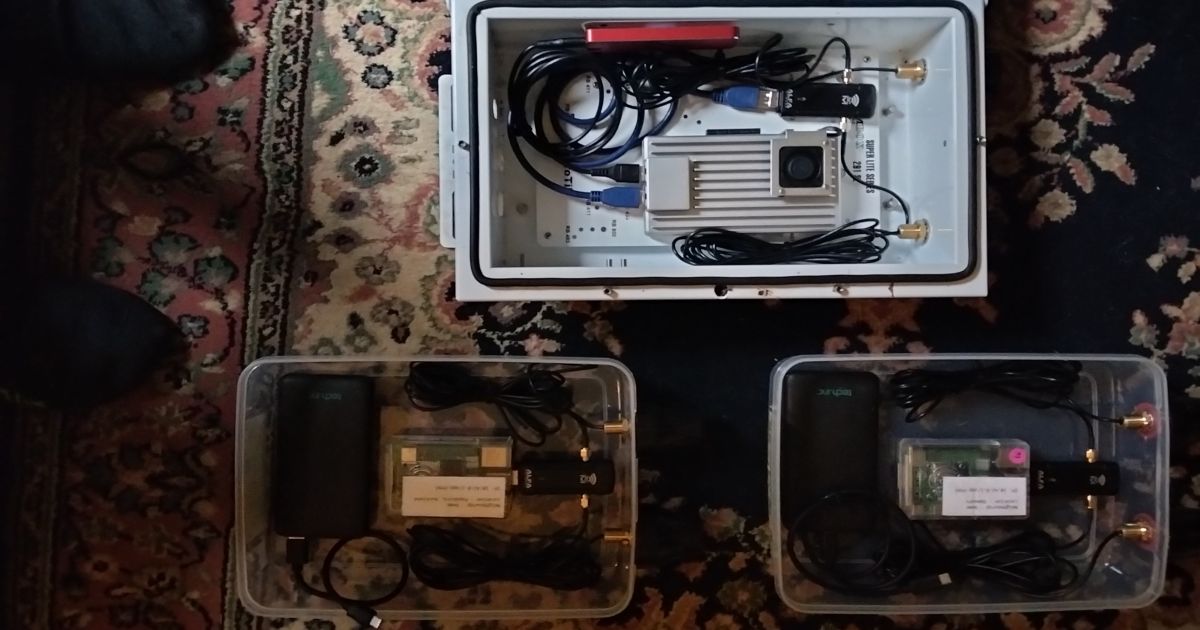
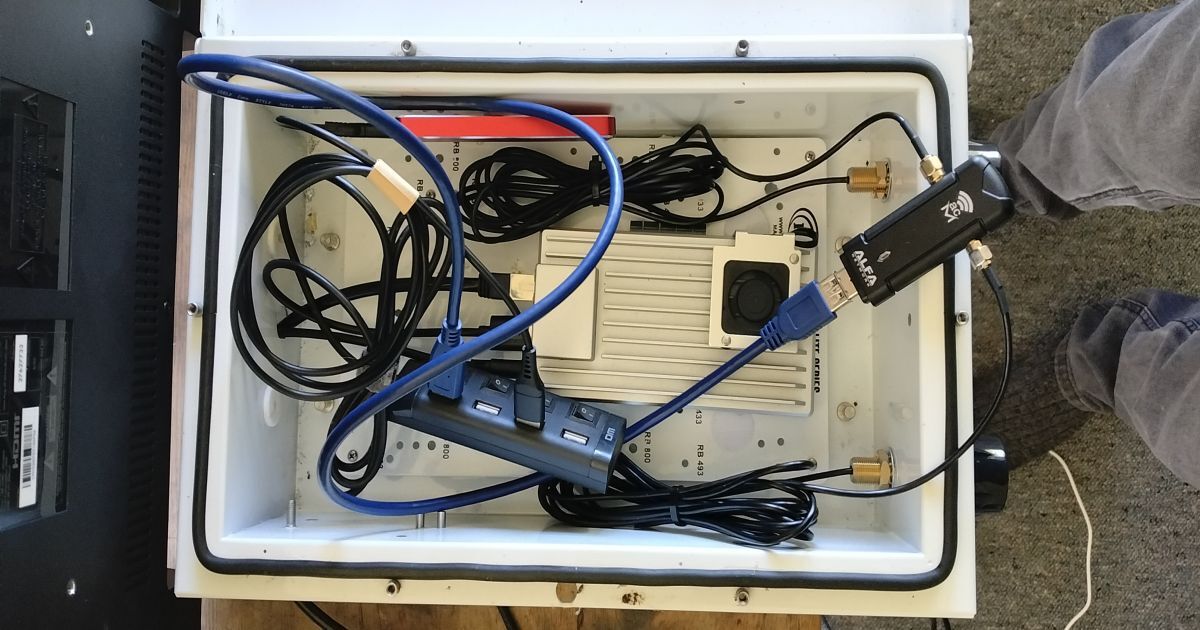
Connectivv Lifeline is a solar- and wind-powered communication node. It’s a self-contained piece of hardware that creates a local mesh network, so people can connect with their phones even when there is no internet and no cell coverage. Nodes link to each other, so the network grows with the community and has no single point of failure.
On top of Lifeline runs NeighbourUp, our disaster coordination app. It works completely offline and lets people:
- report incidents and hazards on a shared map
- let others know they’re OK, or ask for help
- find open shelters and nearby resources
- coordinate with volunteer responders and Civil Defence
- see a local directory of skills, services and supplies
In everyday life, the same system works as a community noticeboard, so the network is already familiar and trusted before an emergency, not something people have to learn on the worst day.
Why a social enterprise
Resilience shouldn’t depend on which community can afford it. We’re becoming a Social Enterprise because we want our purpose, helping communities prepare for and recover from disasters, to sit at the centre of how we operate, not alongside it.
Our work aligns with the Sendai Framework for Disaster Risk Reduction, which puts local communities at the heart of reducing disaster risk and improving early warning, response and recovery. We think good technology should make that easier, not harder.
Where we’re at
We believe in being open about where we are. Right now, Lifeline is in bench testing. We’re working through the engineering that matters most: node-to-node range, mesh networking and power performance. We haven’t run community pilots yet, and we won’t pretend otherwise.
Our path is simple:
- Engineer a robust, production-ready node
- Pilot with a real community
- Prove it works under real conditions
- Scale so more communities can have one
Follow along
This blog is where we’ll share the journey: what works, what doesn’t, what we’re learning from the field, and how we’re working with communities and emergency managers.
If you work in emergency management, run a community group, or simply think your town should be ready for the next big event, we’d love to hear from you.